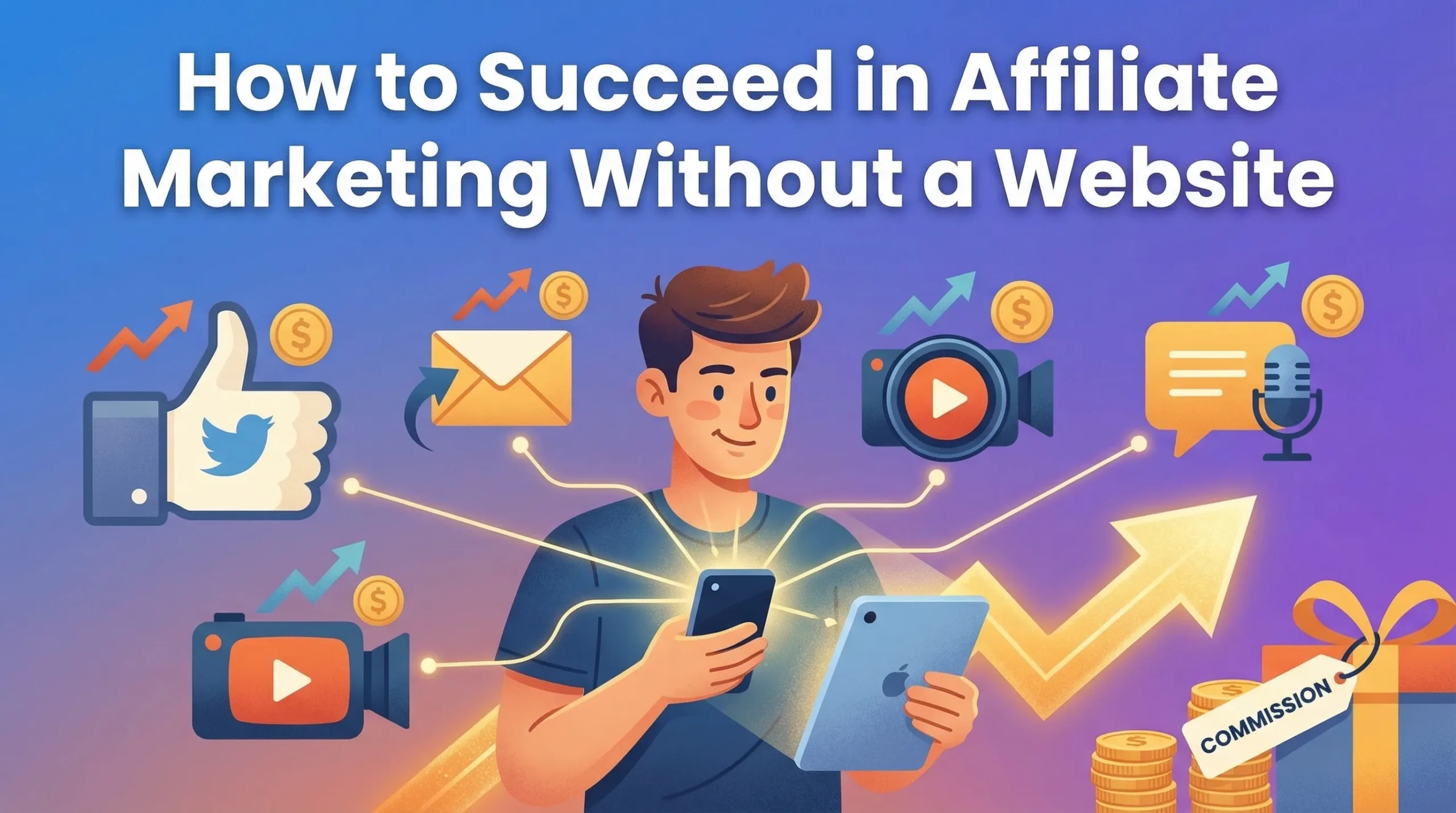
Affiliate marketing offers a powerful way to make money, even when learning how to affiliate marketing without a website. You don’t need a fancy domain or technical skills to succeed. Instead, you can leverage platforms like social media, email, and forums to connect with your audience. The key lies in choosing the right niche, creating valuable content, and building trust.
Many beginners succeed by focusing on strategies that drive clicks and conversions. Social media alone can rival the effectiveness of a website when used correctly. This guide will show you the steps to start affiliate marketing and unlock its potential while mastering how to affiliate marketing without a website.
How to Start Affiliate Marketing Without a Website
What You Need to Begin
A clear niche or target audience
To get started as an affiliate marketer, you need to define your niche. A niche is a specific topic or audience you’ll focus on. This clarity helps you create content that resonates with your audience and increases the chances of conversions.
For example, if you’re passionate about fitness, you could target beginners looking for home workout solutions. A well-defined niche ensures you attract the right people who are more likely to engage with your recommendations.
Access to affiliate programs
Joining affiliate programs is essential to start an affiliate marketing campaign. These programs connect you with products or services to promote. Look for programs that align with your niche and offer competitive commissions. Platforms like Amazon Associates, ClickBank, and ShareASale are beginner-friendly options.
Ensure the program provides high-quality products and reliable tracking systems to maximize your earnings.
Platforms for promotion (e.g., social media, email)
Without a website, you’ll rely on alternative platforms to promote affiliate links. Social media platforms like Instagram, Pinterest, and TikTok are excellent for visual content. Email marketing is another powerful tool. Regularly sending valuable updates and recommendations builds trust and keeps your audience engaged.
You can also explore forums, YouTube, or even podcasts to connect with your target audience.
Step-by-Step Guide to Getting Started
Researching and selecting a niche
The first step in how to start affiliate marketing without a website is choosing the right niche. Follow these steps to identify a profitable niche:
-
Know your interests: Choose a topic you’re passionate about to maintain authenticity.
-
Research trends: Look for topics that are growing in popularity.
-
Evaluate competition: Analyze if you can stand out in the market.
-
Check profitability: Ensure the niche has high-paying affiliate offers.
-
Define a micro-niche: Narrow your focus to target a specific audience.
For instance, instead of targeting “fitness,” focus on “home workouts for busy moms.” This approach helps you position yourself as an expert and attract a loyal audience.
Joining affiliate programs
Once you’ve selected your niche, the next step is to join affiliate programs. Look for programs that offer products relevant to your audience. Many programs provide free registration, making it easy to get started. When evaluating programs, consider factors like commission rates, payment methods, and support resources.
Diversify your efforts by joining multiple programs to maximize your earning potential.
Setting up promotional channels
To start an affiliate marketing campaign, you need effective promotional channels. Build your social following on platforms like Instagram or TikTok. Start an email newsletter to nurture relationships with your audience. Engage in niche-specific forums to share insights and promote products. You can also create video content on YouTube or host a podcast to reach a broader audience.
Diversifying your promotional strategies ensures you connect with your audience in multiple ways.
Choosing the Right Niche for Affiliate Marketing
Why Niche Selection is Crucial
Choosing the right niche is the foundation of your affiliate marketing success. A well-defined niche helps you focus your efforts on a specific audience, making it easier to create content that resonates. It also ensures you stand out in a crowded market by positioning yourself as an expert in a particular area. Without a clear niche, your promotions may lack direction, leading to lower engagement and fewer conversions.
When you select a niche that aligns with your interests and expertise, you’ll find it easier to stay motivated and build trust with your audience.
How to Identify a Profitable Niche
Researching market demand and trends
Start by analyzing market demand to ensure your niche has an active audience. Use tools like Google Trends or keyword research platforms to identify topics with consistent or growing interest. Look for evergreen niches, such as health or technology, that maintain demand over time. Additionally, explore trending subtopics within these niches to find unique opportunities.
For example, mental health resources or AI-powered gadgets are gaining traction in their respective fields.
Aligning with your interests and expertise
Your passion and knowledge play a critical role in niche selection. When you choose a niche you’re genuinely interested in, your enthusiasm will shine through in your content. This authenticity builds credibility and fosters trust with your audience. Consider your skills and experiences as well. If you’re knowledgeable about personal finance, for instance, you can provide valuable insights that set you apart from competitors.
Aligning your niche with your strengths ensures long-term commitment and success.
Examples of High-Demand Niches
Health and wellness
The health and wellness niche remains one of the most profitable options in affiliate marketing. Products like fitness equipment, dietary supplements, and mental health resources are in high demand.
Consumers are increasingly prioritizing their well-being, creating ample opportunities for affiliate marketers without a website.
Personal finance and investing
Personal finance offers a wide range of products, from budgeting tools to investment platforms. Many affiliate programs in this niche provide competitive commissions. As people seek ways to manage their money effectively, this niche continues to grow in popularity.
Technology and gadgets
The technology niche thrives on innovation. From smart home devices to the latest gadgets, there’s always something new to promote. This niche appeals to tech enthusiasts and early adopters, making it a lucrative choice for affiliate marketers.
Best Platforms to Promote Affiliate Links Without a Website
Social Media Marketing
Using Instagram for product promotions
Instagram is one of the most effective platforms for promoting affiliate links without a website. You can use your bio to include affiliate links and direct your followers to the products you recommend. Posting high-quality images and videos that showcase the benefits of these products helps build trust and engagement. Tagging products in your posts or creating Instagram Stories with swipe-up links (if eligible) can further boost conversions.
Focus on niche-specific content to establish authority and attract the right audience.
Creating engaging TikTok videos
TikTok’s short-form video format is perfect for showcasing affiliate products creatively. Use your bio to add affiliate links and encourage viewers to check them out. Create entertaining and informative videos that highlight the unique features of the products you promote.
For example, if you’re in the fitness niche, you could share quick workout tips while featuring a product like resistance bands.
Consistency and creativity are key to growing your audience and driving clicks.
Building a Facebook group or page
Facebook offers a versatile platform to promote your affiliate product. You can create a group or page dedicated to your niche and share valuable content that resonates with your audience. Engage members by answering questions, sharing tips, and posting product recommendations.
Facebook also allows you to run targeted ads, making it easier to reach potential buyers. This platform works well for both B2B and B2C products, depending on your niche.
YouTube and Video Content
Making product review videos
YouTube is a powerful tool for affiliate marketing. Create detailed product review videos that highlight the pros and cons of the items you’re promoting. This approach builds trust and helps viewers make informed decisions. For example, if you’re promoting tech gadgets, demonstrate how they work and explain their benefits.
Use engaging thumbnails and titles to attract clicks and grow your channel.
Adding affiliate links to video descriptions
Always add affiliate links to your video descriptions. This makes it easy for viewers to purchase the products you recommend. Include a clear call-to-action in your video, encouraging viewers to check the description for links. YouTube’s massive audience and SEO-friendly nature make it an excellent platform to promote your affiliate links and generate consistent traffic.
Forums and Online Communities
Participating in niche-specific forums
Forums and online communities are great places to connect with like-minded individuals and promote affiliate products. Platforms like Reddit, Quora, and niche-specific forums allow you to share your expertise and build credibility. Participate in discussions, answer questions, and subtly introduce your affiliate links when relevant.
Avoid spamming and focus on providing value to the community.
Sharing valuable insights before promoting links
Before promoting your affiliate links, establish yourself as a helpful and knowledgeable member of the community. Share tips, answer questions, and provide genuine advice.
Once you’ve built trust, you can recommend products that align with the needs of the forum members. This approach ensures your promotions are well-received and effective.
Email Marketing Without a Website
Building an email list through lead magnets
Email marketing is one of the most effective ways to promote your affiliate links without a website. To start, you need an email list. Lead magnets are powerful tools to encourage people to subscribe. These are free resources or incentives that provide value to your audience in exchange for their email addresses.
Here are some popular lead magnet ideas:
-
Ebooks or white-papers offering in-depth knowledge on a niche topic.
-
Checklists or cheat sheets that simplify complex tasks.
-
Templates or worksheets designed to help users achieve specific goals.
-
Video tutorials or webinars delivering actionable insights.
-
Case studies or success stories showcasing real-world results.
-
Free trials or samples that let users experience a product firsthand.
-
Quizzes or assessments providing personalized recommendations.
For example, if your niche is personal finance, you could offer a budgeting template as a lead magnet. This approach not only builds your email list but also establishes trust with your audience.
Crafting effective email campaigns
Once you have an email list, the next step is creating campaigns that convert. A successful email campaign balances valuable content with promotional offers. Here are the key components of an effective campaign:
|
Component |
Description |
|---|---|
|
Lead Magnets |
Offering a free gift to encourage sign-ups to your email list. |
|
Automation Workflows |
Building workflows that trigger actions based on user interactions with emails. |
|
Balance Between Content and Sales |
Avoiding overselling by mixing sales offers with helpful content to maintain subscriber interest. |
For instance, you could send a series of emails that include tips, product recommendations, and exclusive discounts. Always add affiliate links strategically within your emails, ensuring they align with the content. This method keeps your audience engaged and drives conversions.
Paid Advertising Strategies
Running PPC campaigns on Google or social media
Paid advertising is another way to succeed in affiliate marketing without a website. Pay-per-click (PPC) campaigns allow you to target specific audiences and drive traffic to your affiliate offers. Platforms like Google Ads and social media channels such as Facebook and Instagram are ideal for running these campaigns. Use compelling ad copy and visuals to grab attention.
For example, if you’re promoting fitness equipment, create an ad showcasing its benefits with a clear call-to-action like “Get Yours Today.”
Budgeting and targeting for maximum ROI
To maximize your return on investment (ROI), you need a clear budget and precise targeting. Start small and scale up as you see results. Use audience segmentation to focus on users most likely to convert.
For instance, if your niche is technology, target tech enthusiasts or early adopters. Monitor your campaign performance regularly and adjust your strategy based on analytics. This approach ensures you spend your budget wisely while achieving the best results.
Tips for Succeeding in Affiliate Marketing Without a Website
Build Trust and Transparency
Disclosing affiliate relationships
Transparency is the cornerstone of successful affiliate marketing. Always disclose your affiliate relationships to your audience. This builds trust and ensures your promotions feel genuine. For example, include a simple statement like, “This post contains affiliate links, and I may earn a commission if you make a purchase.”
Clear communication fosters alignment and trust between you and your audience. It also protects your reputation and ensures compliance with legal guidelines.
Providing honest and helpful recommendations
Your audience values authenticity. Recommending products you genuinely believe in strengthens your credibility. Avoid promoting items solely for commissions. Instead, focus on sharing honest reviews and highlighting both the pros and cons of a product. This approach positions you as a reliable source of information. When your audience sees you prioritize their needs, they’re more likely to trust your recommendations.
Tip: Use performance tracking tools to monitor how your recommendations resonate with your audience. This data helps you refine your strategies and improve results.
Focus on High-Quality Content
Creating engaging and informative posts
High-quality content is the backbone of affiliate marketing strategies. Create content that educates, entertains, or solves problems for your audience. For instance, detailed product comparisons or how-to guides often perform well.
Platforms like Amazon and Fiverr offer excellent affiliate programs with resources to help you create and optimize content. Here’s a quick comparison of some top programs:
|
Affiliate Program |
Key Features |
|---|---|
|
Amazon |
Millions of products, up to 10% commission, influencer program available |
|
Fiverr |
Lifetime commissions, seasonal bonuses, dynamic widgets for service promotion |
|
Skillshare |
Commissions on free trial signups, real-time dashboard, reliable payouts |
Solving problems for your audience
Your content should address your audience’s pain points. For example, if your niche is personal finance, create posts that help readers save money or invest wisely. Solving problems not only engages your audience but also positions you as an expert. This increases the likelihood of conversions and builds long-term loyalty.
Engage and Interact with Your Audience
Responding to comments and questions
Engagement is key to building a loyal community. Respond to comments on your social media posts, YouTube videos, or emails. Answer questions thoughtfully and provide additional insights when needed. This interaction shows your audience that you value their input. It also helps you understand their preferences, enabling you to tailor your content more effectively.
Building a loyal community
A loyal community is your greatest asset in affiliate marketing. Focus on platforms that align with your audience’s interests. For younger demographics, Instagram or TikTok works well.
For professionals, LinkedIn or niche forums are ideal. Regularly share valuable content and host interactive sessions like Q&A or webinars.
These efforts foster a sense of belonging and encourage your audience to trust your recommendations.
Note: Use A/B testing to identify the most effective content formats and calls-to-action. This ensures your engagement strategies deliver maximum impact.
Track and Optimize Your Efforts
Using analytics to measure performance
Tracking your performance is essential for success in affiliate marketing. Analytics tools help you understand what works and what doesn’t. Platforms like Google Analytics, Bitly, or affiliate dashboards provide valuable insights into your campaigns. These tools show you metrics such as clicks, conversions, and traffic sources. Use this data to identify which promotional channels drive the most results.
For example, if you’re promoting products on Instagram and TikTok, compare the click-through rates (CTR) from each platform. A higher CTR on TikTok might indicate that your audience prefers short, engaging videos.
Focus on these metrics to refine your strategy and maximize your earnings.
Here’s a quick overview of key metrics to monitor:
|
Metric |
What It Tells You |
Why It Matters |
|---|---|---|
|
Click-Through Rate |
Percentage of users clicking your links |
Measures the effectiveness of content |
|
Conversion Rate |
Percentage of clicks leading to sales |
Tracks how well your links convert |
|
Traffic Source |
Where your audience comes from |
Helps identify top-performing platforms |
|
Earnings Per Click |
Revenue generated per click |
Evaluates profitability of campaigns |
Regularly reviewing these metrics ensures you stay on track and make informed decisions.
Adjusting strategies based on data insights
Once you’ve analyzed your performance, take action. Use the data to adjust your strategies and improve results. If a specific platform underperforms, experiment with different content formats or posting times.
For instance, if your email campaigns have low open rates, tweak your subject lines to make them more engaging.
Split testing, also known as A/B testing, is a powerful way to optimize your efforts. Test two versions of your content to see which performs better. For example, create two TikTok videos with different hooks and analyze which one gets more engagement.
Apply the winning strategy to future campaigns.
Don’t forget to monitor trends in your niche. If a new product or topic gains popularity, incorporate it into your promotions. Staying adaptable ensures you remain competitive and relevant.
Remember, consistent optimization leads to long-term success in affiliate marketing.
You now have the tools to start affiliate marketing without a website and make money effectively. Focus on choosing a niche that aligns with your passion, selecting reliable affiliate programs, and using strategies like social media, email campaigns, or forums to promote your links. Transparency and high-quality content build trust, while consistent audience engagement drives long-term success.
Take the first step today—pick your niche, join an affiliate program, and create content that resonates. With the right strategies, affiliate marketing success is within your reach.