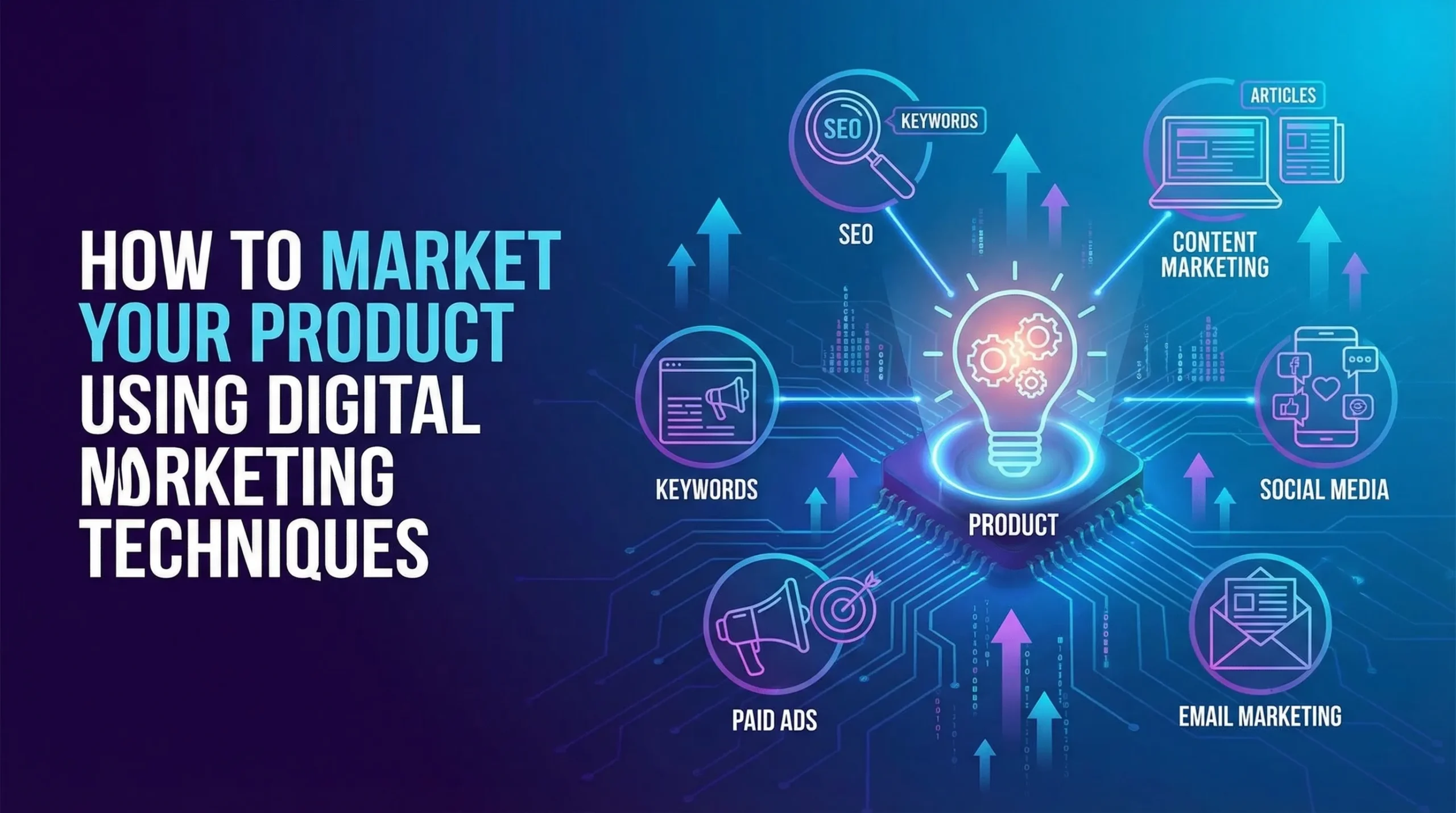
Digital marketing has transformed the way you promote a product and learn how to market your product effectively. It offers measurable results and helps you connect with your audience in a meaningful way. Statistics show personalized experiences lead to 89% of marketers reporting positive ROI, while email marketing generates up to $40 for every $1 spent.
To market a new product successfully, you need actionable strategies like audience segmentation and predictive analytics. These approaches allow you to tailor your marketing campaigns and create relevant content.
With the right marketing strategy, you can achieve effective marketing and build lasting customer relationships.
Identify Your Target Audience
Why Knowing Your Audience is Crucial
Understanding your target audience is the foundation of successful product marketing. When you know who your audience is, you can align your campaigns with their preferences. This approach prevents wasted efforts and ensures your marketing budget is used effectively.
For example, tailoring your content to the right audience increases engagement and drives higher conversion rates. It also helps you focus on individuals most likely to purchase your product, saving money and boosting your return on investment.
Without this clarity, your campaigns risk losing relevance and failing to promote a product effectively.
Tools to Define Your Target Audience
Using Google Analytics for Audience Insights
Google Analytics is a powerful tool to understand your audience. It provides data on demographics, interests, and online behavior. You can track which pages your visitors interact with most and identify trends in their activity.
This information helps you refine your marketing strategy and create content that resonates with your audience.
Conducting Surveys and Feedback
Surveys and feedback are direct ways to learn about your audience. Ask your customers about their preferences, challenges, and expectations. Use this information to create a buyer persona that represents your ideal customer.
This method ensures your campaigns address real needs and desires.
Leveraging Social Media Analytics
Social media platforms offer built-in analytics tools to help you understand your followers. These tools reveal data such as age, location, and engagement patterns. By analyzing this information, you can segment your audience and craft personalized messages that capture their attention.
Common Mistakes to Avoid
Assuming Your Audience Without Research
Assuming you know your audience without conducting research is a costly mistake. Relying on guesses instead of data can lead to misaligned campaigns and wasted resources. Always base your decisions on factual insights.
Ignoring Data-Driven Insights
Ignoring the data you collect can hinder your marketing efforts. Trends and behaviors change over time, and failing to adapt can make your campaigns irrelevant. Regularly analyze your data to stay ahead and maintain effective strategies.
Build a Product Marketing Strategy
Creating a product marketing strategy is essential for achieving effective marketing results. A well-structured plan helps you promote a product, reach your audience, and measure success. Follow these steps to build a strategy that works.
Steps to Create a Marketing Plan
Setting Clear and Measurable Goals
Start by defining SMART goals—Specific, Measurable, Achievable, Relevant, and Time-bound. For example, aim to increase website traffic by 20% in three months or generate 500 leads through email campaigns. Clear goals provide direction and help you track progress effectively.
Conducting Competitor Analysis
Study your competitors to identify their strengths and weaknesses. Analyze their marketing campaigns, pricing strategies, and customer engagement tactics. This research helps you find gaps in the market and position your product uniquely.
Defining Your Unique Selling Proposition (USP)
Your USP sets your product apart. Highlight what makes it special. Successful examples include Pipcorn’s focus on eco-friendly ingredients and Warby Parker’s home try-on program. A strong USP attracts customers and builds brand loyalty.
What You Need
Budget Planning
Allocate resources wisely. Use templates and tools to create a detailed budget. Include costs for advertising, content creation, and tools. Proper planning ensures you don’t overspend and helps you maximize returns.
Choosing the Right Tools and Platforms
Select tools that align with your goals. For instance, use social media scheduling tools to streamline posting or email marketing platforms to automate campaigns. The right platforms enhance efficiency and improve results.
Who Should Try This?
Startups and Small Businesses
If you’re running a startup or small business, a product marketing strategy can help you compete with larger brands. Focus on cost-effective methods like social media and email marketing to promote your product.
Established Brands Looking to Expand Online
For established brands, a strategy helps you tap into new markets. Use digital channels to reach a broader audience and strengthen your online presence.
Leverage Digital Marketing Channels to Market a Product Online
Social Media Marketing
Choosing the Right Platforms for Your Product
Social media marketing is one of the most effective ways to promote a product. However, not all platforms suit every product. Choosing the right platform depends on your target audience and product type. For example:
-
Facebook works well for general brand promotion but may not fit niche products.
-
Instagram is ideal for brands targeting younger audiences, especially millennial women.
-
LinkedIn is perfect for B2B brands looking to connect with professionals.
-
Pinterest offers excellent engagement for niche markets like DIY, crafts, or home decor.
Understanding where your audience spends their time ensures your efforts reach the right people.
Creating a Consistent Posting Schedule
Consistency is key to building trust and engagement on social media. Follow these steps to create an effective posting schedule:
-
Learn when your audience is most active by analyzing their online behavior.
-
Plan content categories that align with their interests.
-
Use analytics tools to track engagement patterns.
-
Schedule posts for specific days and times on each platform.
-
Regularly review performance to refine your strategy.
A consistent schedule keeps your audience engaged and helps you promote your product effectively.
Email Marketing
Building an Email List
Email marketing remains one of the most cost-effective promotional channels. Start by building a quality email list. Offer incentives like discounts, free resources, or exclusive updates to encourage sign-ups. Ensure your list includes active users who are genuinely interested in your product.
Crafting Personalized Email Campaigns
Personalization is the cornerstone of successful email marketing campaigns. Tailor your emails to address your audience’s preferences and needs. Use their names, recommend products based on past purchases, or share content relevant to their interests. A compelling subject line also increases open rates. For example, personalized subject lines can boost engagement significantly.
Search Engine Optimization (SEO)
Optimizing Your Website for Search Engines
SEO is essential for driving organic traffic to your website. Focus on creating high-quality, user-oriented content. Update existing pages regularly to keep them relevant. Ensure your site is mobile-friendly and loads quickly, as search engines prioritize user experience.
Using Keywords to Drive Traffic
Keywords play a vital role in SEO. Research terms your audience frequently searches for and incorporate them naturally into your content. For example, if you’re promoting eco-friendly products, use phrases like “sustainable materials” or “green living.”
This strategy helps your site rank higher in search results, making it easier for potential customers to find you.
Influencer Collaborations
Finding the Right Influencers for Your Niche
Collaborating with influencers can significantly boost your product marketing efforts. To start, focus on finding influencers who align with your niche. Nano and micro-influencers often provide cost-effective options and higher engagement rates due to their loyal followers. For example, if you promote eco-friendly products, partnering with influencers passionate about sustainability ensures your message resonates with their audience.
Look for influencers whose values align with your brand. This alignment builds trust and ensures consistent messaging. Use tools like BuzzSumo or Upfluence to identify influencers in your industry. These platforms help you analyze their reach, engagement, and audience demographics.
Structuring Effective Partnerships
A well-structured partnership ensures success in influencer marketing. Start by setting clear objectives. Define key performance indicators (KPIs) like engagement rates or sales conversions to measure the campaign’s impact.
|
Strategy |
Description |
|---|---|
|
Select the right influencers |
Collaborate with nano and micro-influencers for flexibility and cost-effectiveness. |
|
Establish clear objectives |
Set measurable goals and KPIs to track the campaign’s success. |
|
Maintain ongoing relationships |
Build long-term collaborations to enhance brand loyalty and trust. |
Additionally, create a detailed contract outlining deliverables, timelines, and compensation. This step avoids misunderstandings and ensures accountability. Consistent exposure through multiple posts or stories strengthens conversions.
Organize your promotional channels with a communication plan to integrate influencer efforts into your overall marketing strategy seamlessly.
Paid Advertising
Running Google Ads Campaigns
Google Ads offers a powerful way to promote a product and reach potential customers. Start by creating campaigns targeting specific keywords related to your product. For instance, if you market eco-friendly cleaning supplies, use terms like “sustainable cleaning solutions.” Google Ads allows you to control your budget, ensuring cost-effective spending.
Focus on ad quality to improve performance.
Use compelling headlines, clear calls-to-action, and high-quality visuals. Monitor metrics like click-through rates (CTR) and conversion rates to optimize your campaigns. Adjust bids and keywords based on performance data to maximize results.
Using Social Media Ads for Targeted Reach
Social media ads are essential for reaching your audience on platforms like Facebook, Instagram, and LinkedIn. These ads allow precise targeting based on demographics, interests, and behaviors. For example, if your product targets young adults, Instagram ads can effectively capture their attention.
Create visually appealing ads that highlight your product’s unique features. Use carousel ads to showcase multiple products or video ads to engage viewers. Social media platforms also provide analytics tools to track performance.
Use these insights to refine your strategy and improve ROI.
Paid advertising complements other promotional channels, helping you distribute content effectively and increase engagement. It’s a versatile tool that supports your overall marketing strategy and drives measurable results.
Create Engaging Content for Product Marketing
Creating engaging content is one of the most effective ways to promote a product and connect with your audience. High-quality content not only informs but also inspires action, making it a cornerstone of any successful product marketing strategy.
Let’s explore the types of content that work and the common mistakes to avoid.
Types of Content That Work
Videos and Tutorials
Videos are a powerful tool to promote your product. They grab attention quickly and explain complex ideas in a simple way. Tutorials, in particular, help your audience understand how to use your product effectively. For example, a short video demonstrating the features of a kitchen gadget can increase interest and drive sales.
Platforms like YouTube and Instagram are ideal for sharing these videos.
Blogs and Articles
Blogs and articles allow you to dive deeper into topics related to your product. They help establish your authority in your industry while providing value to your audience. For instance, a blog about “5 Tips for Sustainable Living” can subtly promote eco-friendly products.
Focus on creating decision-making and transactional content that aligns with your audience’s needs.
User-Generated Content
User-generated content (UGC) builds trust and authenticity. It showcases real customers using your product, making it relatable. Successful examples include campaigns like Apple’s #ShotoniPhone, where users share photos taken with their iPhones, or ASOS’s #AsSeenOnMe, featuring customers wearing their clothing. These campaigns not only promote your product but also foster community engagement.
|
Brand |
Campaign/Hashtag |
Description |
|---|---|---|
|
ASOS |
#AsSeenOnMe |
Customers upload photos wearing ASOS clothes, providing authentic visuals of the products in real-life situations. |
|
Coca-Cola |
Share a Coke |
Customers share photos of personalized Coke bottles, creating authentic engagement and brand interaction. |
|
Apple |
#ShotoniPhone |
Users showcase photos taken with iPhones, demonstrating the camera’s capabilities through real user experiences. |
|
LEGO |
LEGO Ideas |
Fans create original builds and gain support for potential new products, fostering community engagement and creativity. |
Common Mistakes to Avoid
Overloading Content with Sales Pitches
Focusing too much on selling can turn your audience away. Instead, lead with value. Share how your product solves problems or improves lives. For example, instead of listing features, highlight benefits like saving time or reducing costs.
Ignoring Visual Appeal and Design
Poorly designed content can fail to capture attention. Use high-quality visuals, clean layouts, and consistent branding. Infographics and well-edited videos can make your content more engaging. Always tailor your design to your audience’s preferences.
Avoid these pitfalls to ensure your content resonates with your audience and supports your efforts to promote a product effectively.
Track and Optimize Campaigns
Tracking and optimizing your marketing campaigns is essential for improving performance and achieving your goals. By using the right tools and focusing on key metrics, you can identify what works and refine your approach to promote your product effectively.
Tools to Measure Success
Google Analytics
Google Analytics provides valuable insights into your website’s performance. It tracks traffic sources, user behavior, and conversion rates. Use this tool to measure how well your marketing campaigns drive traffic and generate leads.
For example, you can analyze which pages attract the most visitors and adjust your strategy accordingly.
Social Media Insights
Social media platforms like Facebook and Instagram offer built-in analytics tools. These tools help you track engagement, reach, and audience demographics. For instance, Facebook Insights shows how your ads perform, while Instagram Analytics highlights which posts resonate most with your followers.
Use these insights to optimize your social media marketing efforts.
Email Marketing Metrics
Email marketing platforms like MailChimp provide detailed metrics to evaluate your campaigns. Track open rates, click-through rates, and conversions to understand how your audience interacts with your emails.
For example, if a campaign has a low open rate, you can test different subject lines to improve performance.
Metrics to Focus On
Conversion Rates
Conversion rates measure how many users take a desired action, such as making a purchase or signing up for a newsletter. High conversion rates indicate that your marketing strategy aligns well with your audience’s needs.
Click-Through Rates (CTR)
CTR shows how often users click on your ads or links. A high CTR suggests that your content is engaging and relevant. For example, testing different headlines or visuals can help improve this metric.
Return on Investment (ROI)
ROI evaluates the profitability of your marketing campaigns. Break down your spending and returns to identify which efforts deliver the best results. For instance, calculate the cost per lead or acquisition to determine the efficiency of your campaigns.
Potential Challenges
Interpreting Data Correctly
Understanding data can be challenging. Many businesses struggle with siloed information or lack the skills to analyze it effectively. To overcome this, focus on integrating data from multiple sources and investing in user-friendly analytics tools.
Adjusting Strategies Based on Results
Adapting your marketing strategy requires flexibility. Campaigns may not always perform as expected, and dashboards can sometimes raise more questions than answers. Regularly review your metrics and test new approaches to stay ahead.
Tracking and optimizing your campaigns ensures you promote your product efficiently. Use these tools and metrics to refine your efforts and achieve measurable success.
Marketing your product successfully requires a clear strategy and consistent effort. Start by identifying your audience and tailoring your campaigns to their needs. Use digital channels like social media, email, and SEO to market a product online effectively. Create engaging content that resonates with your audience and promotes your product authentically. During your product launch, focus on building excitement and trust.
Consistency and adaptability are essential. Begin implementing these strategies today to promote a product effectively. Stay committed to learning and improving, and you’ll see your product marketing efforts thrive.