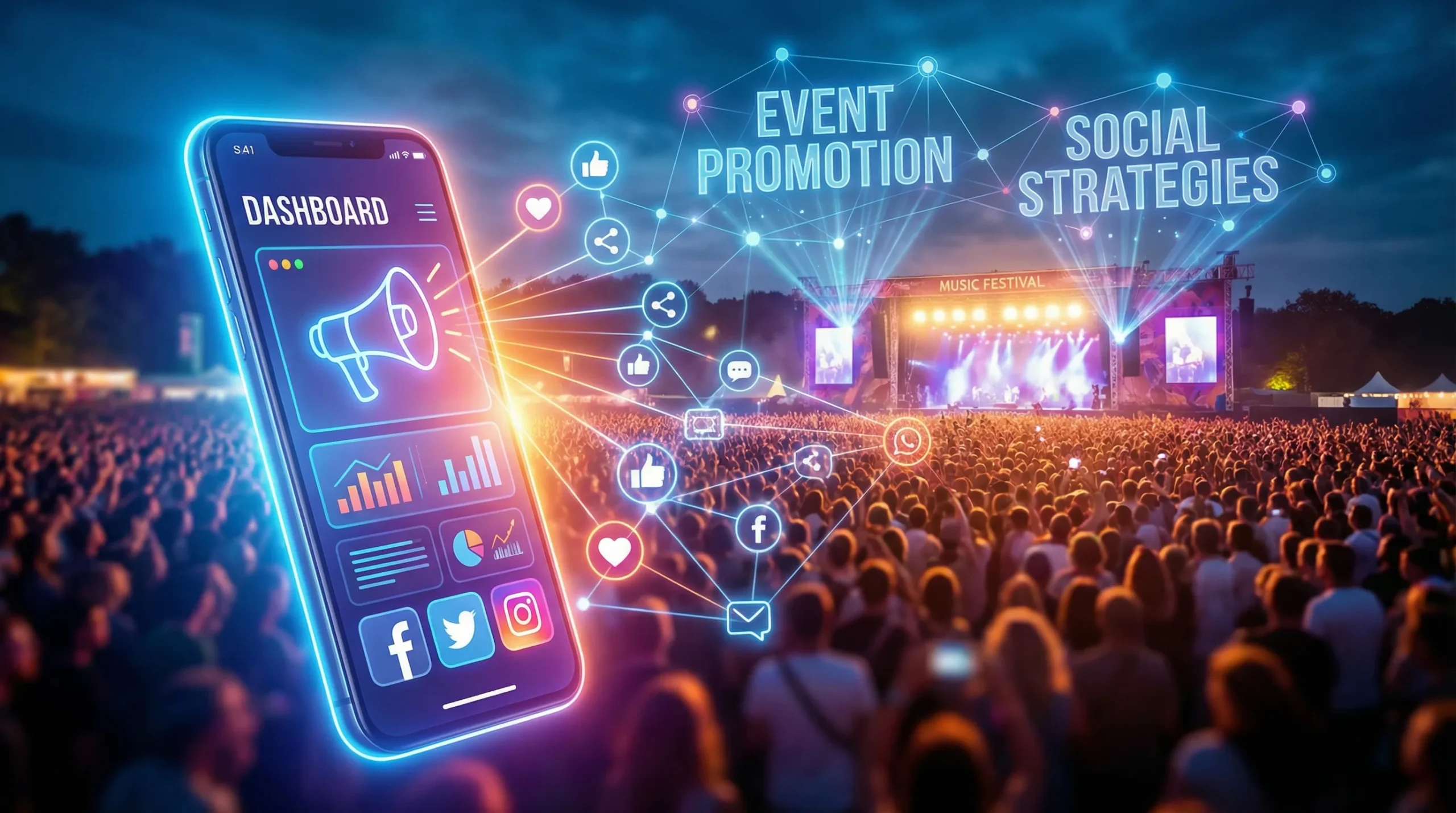
Social media has revolutionized how you promote events, offering unmatched opportunities to connect with your audience. With platforms like Facebook reaching over 3 billion users globally, the potential to amplify your event’s visibility is immense. Unlike traditional methods, social media allows you to engage directly with attendees, measure their interest, and expand your reach exponentially through shares.
For example, when your followers share your event content, it doesn’t just reach their network—it grows your audience and boosts awareness. This measurable engagement ensures your efforts lead to tangible results, whether you aim to increase ticket sales or build brand recognition.
If you want to learn how to promote events effectively, social media is your ultimate tool. It’s time to harness its power and make your event unforgettable.
Setting the Foundation for Event Promotion
Define Your Event Goals
Clear goals are the backbone of any successful event marketing strategy. Without them, your efforts may lack direction and measurable outcomes. Start by identifying the purpose of your event. Are you aiming to sell tickets, boost brand awareness, or raise funds for a cause? Defining specific outcomes ensures your focus remains sharp.
For example, you might aim to help 150 teachers meet their CE requirements or collect feedback from 100 attendees.
Once you know your purpose, set measurable objectives. These objectives should be realistic, relevant, and time-bound. Use the table below to see examples of measurable goals for different types of events:
|
Goal |
Objective |
|---|---|
|
Increase brand awareness |
Increase social media mentions by 20% during the event |
|
Generate leads |
Collect 300 business cards from attendees |
|
Raise funds for charity |
Raise $70,000 for the charity during the event |
|
Provide a memorable experience |
Ensure that 90% of attendees rate the event as ‘excellent’ on the post-event survey |
Establishing deadlines for these objectives creates a framework that keeps your event promotion on track.
Understand Your Target Audience
Knowing your audience is critical to crafting an effective event marketing strategy. Research their demographics, preferences, and online behavior. Millennials, for instance, are the most active demographic on social media, with 68.8% expected to use it in 2024. Gen Z spends the most time online, with 35% using social platforms for over two hours daily.
To maximize your reach, identify the platforms your audience uses most. The table below highlights popular platforms by age group:
|
Age Range |
Most Used Platforms |
|---|---|
|
18-29 |
Snapchat (41%), TikTok (35%), Instagram (32%) |
|
30-39 |
LinkedIn (34%), X/Twitter (34%), Snapchat (33%), Instagram (32%) |
|
40-49 |
LinkedIn (25%), Facebook (22%), X/Twitter (21%) |
|
50-59 |
Facebook (29%), LinkedIn (24%), Pinterest (24%) |
Focus your efforts on these platforms to ensure your event reaches the right audience.
What You Need for Event Marketing
Preparation is key to successful event promotion. Start with a clear event description that outlines the who, what, when, where, and why. This information should be consistent across all channels, including your event website. Branding materials, such as logos, banners, and promotional graphics, create a cohesive and memorable experience for attendees. These materials also amplify your brand presence and encourage word-of-mouth marketing.
If your budget allows, allocate funds for paid promotions. Paid ads on platforms like Facebook or Instagram can significantly boost your event’s visibility. Even a small budget can make a big impact when targeted effectively.
How to Promote Events with a Social Media Plan
Choose the Right Platforms
Selecting the right social media platforms is critical to your event’s success. Focus on platforms where your audience spends the most time. For example:
-
Instagram works best for Millennials and Gen Z, especially for visually-driven events like art shows or concerts.
-
LinkedIn is ideal for professional gatherings, such as conferences or networking events.
-
Facebook offers versatility, making it suitable for almost any event type due to its broad demographic reach.
-
TikTok excels at engaging younger audiences with short, creative videos.
-
YouTube is perfect for sharing event vlogs or promotional videos to a wide audience.
The type of event also influences your platform choice. A fashion show thrives on Instagram’s visual appeal, while a corporate seminar benefits from LinkedIn’s professional network. Use engagement metrics like shares and comments to evaluate how well your event promotion resonates with your audience. This data helps refine your strategy for future events.
Plan Your Content
Your content strategy should mix creativity with consistency. Create a variety of posts to keep your audience engaged:
-
Share promotional posts highlighting event details.
-
Post behind-the-scenes content to build excitement.
-
Use countdowns to create urgency as the event date approaches.
Visuals are essential for grabbing attention. Videos, for instance, can reach 92.3% of a global audience. Post short teasers showcasing event highlights or behind-the-scenes footage. Shareable graphics and infographics can narrate your event’s story in a visually compelling way. Encourage attendees to use your event hashtag to generate user-created content, which you can repost to build community and trust.
Schedule Your Posts
Consistency is key to maintaining interest in your event. Use social media scheduling tools like Hootsuite or Buffer to plan your posts in advance. These tools allow you to automate content, ensuring it goes live at optimal times without the stress of last-minute posting.
You can even schedule weeks of content in just one afternoon.
Post regularly leading up to the event. For example, share weekly updates a month before the event, then increase frequency to daily posts during the final week. This steady stream of content keeps your event top-of-mind for your audience and builds anticipation.
Potential Challenges in Event Marketing
Difficulty in Maintaining Consistent Posting Schedules
Consistency is the backbone of successful event promotion on social media. However, keeping up with a regular posting schedule can feel overwhelming, especially when juggling multiple responsibilities. Without a clear plan, you risk losing your audience’s attention or appearing unorganized. Social media algorithms also favor consistent activity, meaning irregular posting could reduce your event’s visibility.
To overcome this challenge, use scheduling tools like Hootsuite or Buffer. These platforms allow you to plan and automate posts, ensuring your content goes live at the right time without constant manual effort.
Focus on creating a content calendar that outlines what to post and when. This approach keeps your strategy organized and ensures you maintain a steady flow of engaging content.
Limited Budget for Paid Promotions or Content Creation
Budget constraints are a common hurdle in event marketing. Paid ads and professional content creation can quickly add up, leaving you wondering how to promote events effectively without overspending. The good news is that creativity and resourcefulness can help you achieve impactful results without breaking the bank.
Start by prioritizing the most effective promotional activities.
For example, focus on platforms where your audience is most active to maximize your reach. Leverage free tools like Canva to design eye-catching visuals or use your smartphone to create authentic video content. Collaborate with partners or sponsors to share promotional responsibilities and expand your reach. Renegotiating terms with existing partners can also unlock additional support.
A limited budget doesn’t mean limited success. With strategic planning and creative event marketing tactics, you can make a big impact while staying within your means.
Leveraging Social Media Features for Event Promotion
Use Hashtags Effectively
Create a unique event hashtag to encourage user participation.
A unique hashtag can transform your event into a social media sensation. When you create an event hashtag, you make it easier for your audience to find and engage with your content. This simple tactic fosters a sense of community and encourages attendees to share their experiences. Imagine your hashtag trending as users post photos, videos, and stories about your event. This buzz not only enhances visibility but also strengthens your brand recognition.
Here’s why a unique hashtag is essential:
-
It simplifies content discovery for your audience.
-
It builds a sense of belonging among attendees.
-
It amplifies your event’s reach across platforms.
Encourage your audience to use the hashtag consistently. Feature it on all promotional materials, from digital banners to physical merchandise. This consistency ensures your hashtag becomes synonymous with your event.
Research trending and relevant hashtags to increase visibility.
Trending hashtags can supercharge your event promotion. Research hashtags that align with your event’s theme and resonate with your audience. For example, if you’re hosting a tech conference, hashtags like #TechTrends or #Innovation2024 could attract the right crowd. Use a mix of broad and niche hashtags to maximize reach and engagement.
Monitor their performance and refine your strategy to ensure optimal results.
Create Event Pages
Use Facebook or LinkedIn event pages to centralize event information.
Event pages are a must-have for effective digital event promotion. Platforms like Facebook and LinkedIn allow you to centralize all event details in one place. Include essential information such as the date, time, location, and agenda. These pages act as a hub where attendees can RSVP, ask questions, and share the event with their networks.
Facebook event marketing is particularly powerful.
With over 2.9 billion monthly active users, Facebook offers unparalleled reach. Use its tools to send reminders, post updates, and engage with your audience. LinkedIn, on the other hand, is ideal for professional events. Its audience consists of industry leaders and decision-makers, making it perfect for networking opportunities.
Encourage attendees to RSVP and share the event with their networks.
An RSVP feature is more than just a headcount tool. It creates a sense of commitment among attendees. Encourage them to RSVP and share the event page with their friends or colleagues. This simple action can exponentially increase your event’s visibility.
Offer incentives like early-bird discounts or exclusive content to those who RSVP early.
Go Live and Use Stories
Host live Q&A sessions or behind-the-scenes previews.
Live sessions bring your event to life. Host Q&A sessions to answer attendee questions or share behind-the-scenes previews to build excitement. Live-streaming connects physical and virtual attendees, offering real-time coverage and unique perspectives.
Such an approach not only enhances engagement but also creates a sense of urgency for those who haven’t registered yet.
Use Instagram and Facebook Stories to share real-time updates.
Stories are a dynamic way to keep your audience engaged. Use Instagram and Facebook Stories to share real-time updates, from event setup to attendee reactions. Short interviews with attendees or quick highlights of key moments can create a sense of FOMO (fear of missing out) among non-attendees. Stories also allow you to interact directly with your audience through polls, questions, and stickers, making your event more interactive and memorable.
Common Mistakes to Avoid
Overloading posts with too many hashtags
Hashtags are powerful tools for increasing your event’s visibility, but overusing them can backfire. When you overload your posts with hashtags, your content may appear cluttered or spammy. This can discourage your audience from engaging with your event. Social media algorithms may also penalize posts that seem overly promotional, reducing their reach.
Stick to a focused hashtag strategy. Use one unique hashtag for your event and pair it with two or three relevant, trending hashtags.
For example, if you’re hosting a music festival, combine your event hashtag with popular ones like #LiveMusic or #FestivalVibes. This approach keeps your posts clean and professional while maximizing their discoverability.
Neglecting to update event pages with the latest information
An outdated event page can confuse your audience and hurt your credibility. Imagine someone visiting your page only to find incorrect dates, missing details, or outdated visuals. This lack of attention to detail can lead to missed opportunities and lower attendance.
Keep your event pages fresh and accurate. Update them regularly with new information, such as schedule changes, speaker announcements, or ticket availability. Add engaging visuals like photos or videos to maintain interest. Encourage your audience to revisit the page by posting updates that build excitement, such as sneak peeks or exclusive offers.
Avoiding these common mistakes can significantly improve your event’s social media presence. A clean hashtag strategy and well-maintained event pages show professionalism and keep your audience engaged.
Engaging with the Audience to Promote Events
Run Contests and Giveaways
Offer free tickets or exclusive perks to winners.
Contests and giveaways are powerful tools to generate excitement and attract attention to your event. Offering free tickets or exclusive perks as prizes can motivate your audience to participate. For example, a case study by OptinMonster revealed that their giveaway drove thousands of visitors to their landing page, significantly boosting visibility. You can achieve similar results by choosing a prize that resonates with your audience and aligns with your event’s theme.
To maximize participation, keep the entry process simple. Use eye-catching visuals and compelling copy to highlight the benefits of entering. Run your contest for 2-4 weeks to maintain interest and give participants enough time to join.
Promote it regularly on your social media channels to ensure it stays top-of-mind.
Encourage participants to share your event for additional entries.
Encouraging participants to share your event with their networks can amplify its reach. When participants share their entries, it sparks conversations and creates a buzz within their communities. This excitement often spreads organically, attracting more attention to your event. For instance, New Haven Nights saw a significant increase in engagement by asking participants to tag friends and follow their accounts, resulting in over 30 comments on a single post.
You can also collaborate with influencers to share contest entries, tapping into their audience and expanding your reach. Viral entries can lead to organic growth, further promoting your event without additional costs.
Encourage User-Generated Content
Ask attendees to share their excitement using your event hashtag.
User-generated content (UGC) is a goldmine for event promotion. Encourage attendees to share their excitement by creating posts, photos, or videos using your event hashtag. This not only builds anticipation but also acts as social proof, showing potential attendees that your event is worth attending.
Statistics show that 86% of people trust UGC over influencer marketing, making it a highly effective strategy.
Repost user-generated content to build community and trust.
Reposting UGC on your social media channels fosters a sense of community and trust. Highlighting real attendee experiences shows transparency and builds credibility. It also creates a two-way conversation between you and your audience, strengthening their connection to your brand.
UGC adds variety to your content, showcasing different aspects of your event and appealing to a broader audience.
Respond to Comments and Messages
Engage with your audience by answering questions and thanking them for their interest.
Engagement doesn’t stop at posting content. Responding to comments and messages shows your audience that you value their input. Answer questions promptly to address any concerns and thank users for their interest in your event. This level of interaction builds trust and encourages more people to engage with your posts.
Use polls and questions to spark conversations.
Polls and questions are excellent tools to spark conversations and gather feedback. Use them to ask your audience about their preferences, such as which speaker they’re most excited to see or what activities they’d like to participate in. This not only boosts engagement but also provides valuable insights to improve your event.
Interactive content like this keeps your audience invested and excited about what’s to come.
Collaborating with Influencers and Partners for Event Marketing
Partner with Influencers
Identify influencers in your niche who align with your event.
Influencers can be game-changers when it comes to promoting your event. Their ability to connect authentically with their audience makes them powerful allies in spreading the word. To find the right influencers, focus on those whose followers align with your target audience. For example, if your event caters to tech enthusiasts, look for influencers who specialize in technology or innovation.
Follow these steps to identify suitable influencers:
-
Look for influencers who share your brand values.
-
Research those within your niche or industry.
-
Evaluate their engagement rates and audience demographics to ensure they match your event’s goals.
Choosing influencers who resonate with your event theme ensures their promotions feel genuine. This authenticity builds trust and encourages their followers to take action, whether it’s purchasing tickets or sharing your event.
Offer them free tickets or sponsorship deals to promote your event.
Once you’ve identified the right influencers, incentivize them to promote your event. Offering free tickets is a great way to get them involved. Sponsorship deals can also motivate influencers to create high-quality content that highlights your event. Many influencers excel at generating pre-event buzz through teasers, exclusive sneak peeks, or countdowns.
During the event, they can provide live coverage, boosting engagement and excitement among their followers.
Collaborate with Sponsors and Partners
Leverage their social media channels to expand your reach.
Sponsors and partners can significantly amplify your event’s visibility. Their established social media presence allows you to tap into a broader audience. Share promotional materials with them and encourage them to post about your event on their platforms.
Such a cross-promotion introduces your event to new potential attendees who may not have discovered it otherwise.
For example, if your event is a music festival, a sponsor like a beverage company could share posts about their involvement, reaching their loyal customers. This collaboration benefits both parties by increasing exposure and engagement.
Co-create content to promote the event together.
Working with sponsors and partners to co-create content can make your event marketing even more impactful. Develop engaging posts, videos, or graphics that highlight your partnership. For instance, you could create a video featuring both your brand and your sponsor’s products in the context of the event. This approach not only promotes the event but also strengthens your relationship with your partners.
Collaborating with influencers and partners is a proven strategy to maximize your event’s reach. Their networks and creative input can take your event promotion to the next level.
Measuring Success in Event Promotion
Track Key Metrics
Monitor engagement rates, reach, and impressions.
Tracking key metrics is essential for evaluating the success of your event marketing strategy. Start by monitoring engagement rates, which measure how well your audience interacts with your content. This includes likes, comments, and shares. A high engagement rate indicates that your posts resonate with your audience, driving interest in your event.
Next, focus on reach and impressions. Reach shows how many unique users see your content, while impressions count the total number of times your content appears on screens. These metrics help you understand the visibility of your event promotion efforts.
For example, if you promote events on Facebook, tracking these numbers can reveal how effectively your posts are capturing attention.
Track ticket sales or RSVPs generated through social media.
Social media platforms are powerful tools to boost registration for your event. Track how many ticket sales or RSVPs come directly from your social media campaigns. Use unique tracking links or promo codes to attribute registrations to specific posts or ads. This data helps you identify which strategies drive the most conversions, ensuring a successful event.
Use Analytics Tools
Use platform-specific tools like Facebook Insights or Instagram Analytics.
Leverage analytics tools to gain deeper insights into your event promotion performance. Facebook Insights and Instagram Analytics provide detailed data on audience demographics, post engagement, and content reach.
For instance, if you promote events on Facebook, these tools can show which posts generate the most clicks or RSVPs. Use this information to refine your content strategy and focus on what works best.
Use third-party tools like Google Analytics to track referral traffic.
Google Analytics is invaluable for tracking user behavior on your event website. It reveals which pages attract the most visitors and where users drop off. You can also identify traffic sources, such as social media platforms, to determine which channels drive the most registrations. If you run Google Ads, link them to Google Analytics to analyze which campaigns lead to ticket sales or RSVPs. This data allows you to optimize your marketing efforts and allocate resources effectively.
Adjust Your Strategy
Identify what worked well and what didn’t.
After your event, review your metrics to identify what worked and what didn’t. Did your Instagram Stories generate more engagement than your Facebook posts? Were your paid ads more effective than organic content?
Use this information to pinpoint successful tactics and areas for improvement.
Use insights to improve future event promotions.
Apply the lessons learned to enhance your next event marketing strategy. For example, if you notice that posts with videos perform better, incorporate more video content into your future campaigns. Continuously refining your approach ensures that each event promotion becomes more effective, helping you achieve your goals and create a memorable experience for your audience.
Promoting your event successfully starts with clear goals and a solid understanding of your audience. Use social media platforms strategically to share engaging content, build excitement, and drive registrations. Leverage features like hashtags, event pages, and live sessions to maximize visibility. Collaborate with influencers and partners to expand your reach and create buzz. Finally, track your results and refine your approach for future events.
Now is the time to take action. Start implementing these strategies to promote events effectively and create a memorable experience for your audience. Experiment with different tactics, adapt to your audience’s preferences, and watch your efforts lead to a successful event.